A properly working sewer system is one of those things homeowners rarely think about until something goes wrong. However, a damaged pipe beneath your property can quickly turn into an expensive and stressful problem. Understanding your home's sewer connections can help you recognize warning signs early, avoid unexpected repairs, and protect your property from wastewater damage.
If you have ever wondered what is a sewer lateral and who is responsible for repairing it, you are not alone. A sewer lateral is an essential part of your property's plumbing system, carrying wastewater from your home to the public sewer network. When this pipe becomes blocked, cracked, or damaged, knowing where your responsibility begins can make all the difference. Upfront Septic helps homeowners understand their wastewater systems and the importance of maintaining reliable sewer connections.
What Is a Sewer Lateral and How Does It Work?
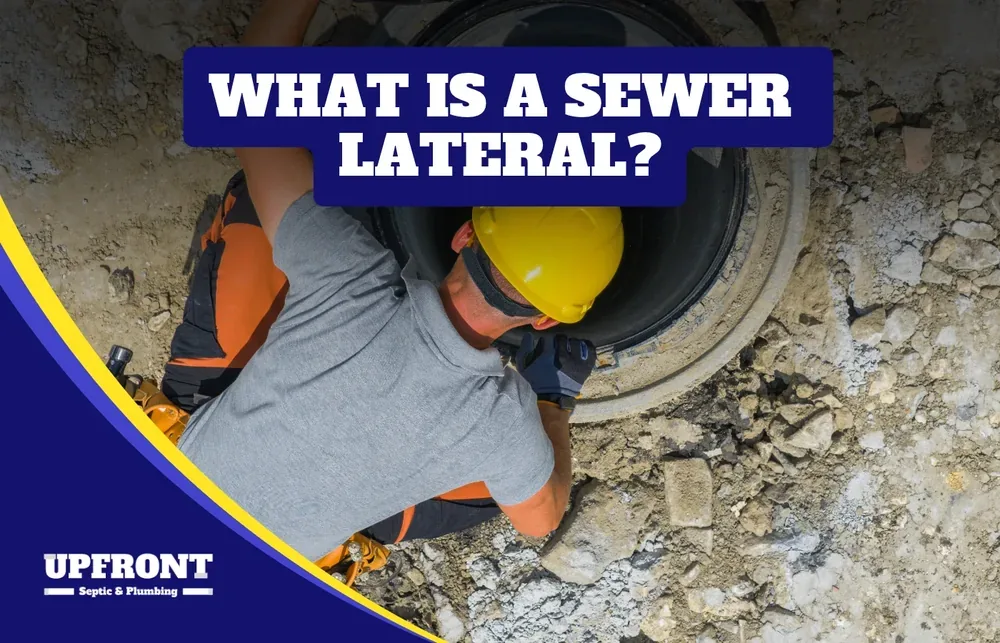
A sewer lateral is the underground pipe that transports wastewater from a residential or commercial building to a public sewer main. It connects the plumbing inside your property to the larger sanitary sewer system that carries wastewater toward a treatment facility.
Every time you flush a toilet, run a washing machine, or drain water from a sink, wastewater travels through your home's plumbing before entering the lateral pipe. From there, it moves toward the public sewer, usually through gravity, although some properties require pumping equipment.
The sewer lateral plays a vital role in keeping wastewater moving away from your building safely. If the pipe becomes obstructed or damaged, sewage may back up into your home, create unpleasant odors, or leak into the surrounding soil. Upfront Septic encourages property owners to understand how this connection works so they can respond quickly when problems arise.
Understanding the Lateral Definition in a Sewer System
The term lateral refers to a connecting pipe that carries wastewater from an individual property toward a larger sewer line. In residential plumbing, the sewer lateral forms the link between a building's drainage system and the public sewer network.
Although the exact layout varies by property, the lateral generally begins near the building's foundation and extends underground to the sewer main. Some properties have a cleanout, which provides access for inspecting and clearing blockages.
It is also important to understand that a sewer lateral is different from the public sewer main. The main sewer line typically serves multiple properties, while an individual lateral usually serves one building or property.
These distinctions matter when determining maintenance needs and repair obligations. The location of the pipe, the property boundary, local regulations, and utility policies can all affect who must maintain different sections of the system.
Where Is the Lateral Pipe Located?
A lateral pipe is usually buried underground, making it difficult to identify its exact location without reviewing property records or arranging a professional inspection. Depending on the property's layout, it may run beneath a driveway, lawn, garden, walkway, or other landscaped area.
The pipe's route often follows the shortest practical path between the building's drainage outlet and the public sewer main. However, older properties may have unusual layouts, multiple connections, or pipes installed before current construction standards were introduced.
Homeowners should avoid digging based on assumptions about the pipe's location. Before starting landscaping, installing a fence, or completing major outdoor improvements, check available utility records and arrange for underground utility locating when necessary.
If you suspect that your sewer connection is damaged, Upfront Septic can help you understand the importance of identifying the affected section before deciding on the next steps.
Who Is Responsible for Sewer Lateral Repairs?
Responsibility for sewer lateral repairs depends on local laws, municipal policies, easements, and the property's specific circumstances. In many communities, homeowners are responsible for maintaining the lateral from their building to the point where it connects with the public sewer main. However, this is not a universal rule.
Some municipalities maintain certain sections of the connection, while others require property owners to handle the entire lateral, including portions beneath public sidewalks or streets. Shared sewer connections and older properties can introduce additional complications.
Before arranging repairs, homeowners should contact their local sewer utility or municipal public works department. Ask where private maintenance responsibility ends and public responsibility begins. Requesting this information in writing can help prevent confusion later.
You should also check whether your homeowners insurance covers any sewer-related damage. Standard policies may exclude the cost of repairing underground pipes, although optional service-line coverage may provide protection in some situations.
Upfront Septic recommends confirming local requirements before assuming that the city, utility provider, or homeowner must pay for the work.
Common Signs Your Sewer Lateral Needs Attention
Because the sewer lateral is buried underground, damage may develop without obvious signs at first. Recognizing early symptoms can help you address a problem before it causes extensive damage to your home or yard.
Common warning signs include:
- Frequent drain backups: Multiple sinks, tubs, or toilets draining slowly may indicate a blockage in the main drainage line or lateral.
- Sewage odors: Persistent unpleasant smells near drains or outside your property may signal a wastewater leak or drainage problem.
- Unusually green or wet lawn areas: A section of grass that stays unusually lush or soggy could indicate a leaking underground pipe.
- Gurgling sounds: Bubbling noises from toilets or drains may suggest restricted wastewater flow or a ventilation issue.
- Repeated plumbing problems: If blockages keep returning after routine drain cleaning, the underlying cause may be damaged piping, root intrusion, or a structural defect.
These symptoms do not automatically mean the lateral is broken. Other plumbing issues can produce similar warning signs. A professional assessment can help determine whether the problem involves the building's internal plumbing, the lateral, or the public sewer system.
What Causes Sewer Lateral Damage?
Sewer laterals experience wear over time, particularly when pipes are older or exposed to shifting ground conditions. Understanding the common causes of damage can help property owners make informed maintenance decisions.
Tree roots are a frequent source of trouble. Roots naturally grow toward moisture and may enter through small joints, cracks, or deteriorated seals. Once inside, they can trap debris and gradually restrict wastewater flow.
Ground movement is another concern. Soil settlement, heavy vehicle traffic, construction activity, and changing moisture levels can place pressure on buried pipes. Older clay or cast-iron piping may also deteriorate, while poorly installed connections can develop leaks or misalignment.
Grease, wipes, paper products, and other materials that should not enter household drains can contribute to blockages. Although these materials may not directly damage the pipe, repeated accumulation can prevent wastewater from flowing freely.
Upfront Septic encourages homeowners to address recurring drainage problems instead of relying on temporary fixes. Finding the underlying cause is essential for choosing a repair that lasts.
How a Lateral Inspection Helps Identify Problems
A lateral inspection allows a professional to evaluate the condition of the underground sewer connection and identify potential problems. One common method is a sewer camera inspection, in which a specialized camera is guided through an accessible opening to examine the pipe's interior.
This process can reveal root intrusion, cracks, accumulated debris, corrosion, separated joints, and other visible defects. It may also help identify the location of a blockage, reducing unnecessary digging during repairs.
In some situations, additional testing or underground locating may be needed to determine the pipe's exact route, depth, or external condition. The appropriate inspection method depends on the symptoms, pipe material, accessibility, and suspected damage.
An inspection can also help distinguish between a localized obstruction and a more serious structural problem. For example, a removable blockage may require cleaning, while a collapsed or severely deteriorated section may need repair or replacement.
Upfront Septic understands the value of identifying wastewater problems early and encourages property owners to seek professional guidance when warning signs appear.
What Are the Options for Sewer Lateral Repair?
The right repair depends on the type, location, and severity of the damage. A professional evaluation can help determine whether the pipe can be restored or needs more extensive work.
Minor obstructions may be cleared using suitable drain-cleaning equipment. Root intrusion may require mechanical removal or other appropriate treatment, followed by an assessment of the pipe's condition. Cleaning can restore flow, but it will not permanently correct a broken or deteriorated pipe.
When structural damage is present, the affected section may need to be excavated and replaced. Depending on local conditions and the pipe's suitability, trenchless repair methods may also be available. These approaches can sometimes reduce digging and disruption to landscaping, driveways, and other surfaces.
The repair process should include identifying the cause, explaining the available options, and outlining the expected cost before work begins. Property owners should also confirm whether permits, municipal approvals, or inspections are required.
Upfront Septic can help homeowners understand their wastewater system and the importance of selecting a solution based on the actual condition of the sewer connection.
How to Protect Your Sewer Lateral and Avoid Costly Repairs
Preventive care can reduce the likelihood of unexpected sewer problems, although no maintenance routine can guarantee that an underground pipe will never fail. Good household habits and timely inspections can make a meaningful difference.
Avoid flushing wipes, sanitary products, paper towels, cooking grease, and other unsuitable materials down household drains. Be mindful when planting trees or large shrubs near underground sewer lines, and investigate recurring backups rather than repeatedly treating the symptoms.
If your property has older piping, a history of root intrusion, or frequent drainage issues, ask a qualified professional whether periodic camera inspections would be appropriate. Keep records of previous repairs and save any available sewer connection plans so the pipe's route is easier to identify when work becomes necessary.
You should also familiarize yourself with your municipality's sewer maintenance rules before an emergency occurs. Knowing who to contact and which repairs you may be responsible for can save valuable time when wastewater problems arise.
Get Reliable Guidance for Your Sewer Lateral
A functioning sewer lateral protects your property by carrying wastewater away from your home and into the appropriate sewer system. Understanding its purpose, recognizing warning signs, and confirming local repair responsibilities can help you make better decisions when problems develop.
If you notice recurring backups, unexplained wet patches, or persistent sewer odors, do not wait for the issue to become more serious. A small warning today can help prevent a major wastewater problem tomorrow.
Contact Upfront Septic to discuss your wastewater system concerns and determine the next steps for addressing sewer-related problems. With the right information and timely professional guidance, you can protect your property, make informed repair decisions, and maintain a more dependable wastewater system.