When winter arrives, a few hours of preparation can save you from days of plumbing trouble. Cold weather can turn ordinary water lines into a major concern, especially when temperatures drop suddenly and exposed pipes are left unprotected. Learning how to winterize your home plumbing helps protect your property, reduce the risk of frozen pipes, and keep your household running smoothly throughout the coldest months.
Winterizing your plumbing involves more than turning up the heat. It includes inspecting vulnerable pipes, protecting outdoor fixtures, checking your water heater, and knowing how to respond if water freezes inside your plumbing system. With the right precautions, homeowners can reduce the chance of costly water damage and avoid unexpected repair expenses. Upfront Septic understands the importance of dependable plumbing and proper system maintenance, helping homeowners make informed decisions about protecting their properties.
Understand How to Winterize Your Home Plumbing
The first step is to identify which parts of your plumbing system are most vulnerable to freezing temperatures. Pipes located in unheated garages, basements, crawl spaces, attics, and exterior walls often face the greatest risk. Even a well-maintained home can experience plumbing problems when cold air reaches poorly insulated areas.
Start by walking through your property and inspecting visible water lines. Look for gaps around doors, windows, foundation openings, and utility entrances where cold air might enter. Pay particular attention to pipes near exterior walls because they may receive less warmth from your home's heating system.
It is also helpful to understand where your main water valve is located. If a pipe bursts, knowing how to shut off the water quickly can limit flooding and protect your belongings. Upfront Septic recommends preparing for winter before freezing conditions begin rather than waiting until a problem develops.
Protect Exposed Pipes From Freezing
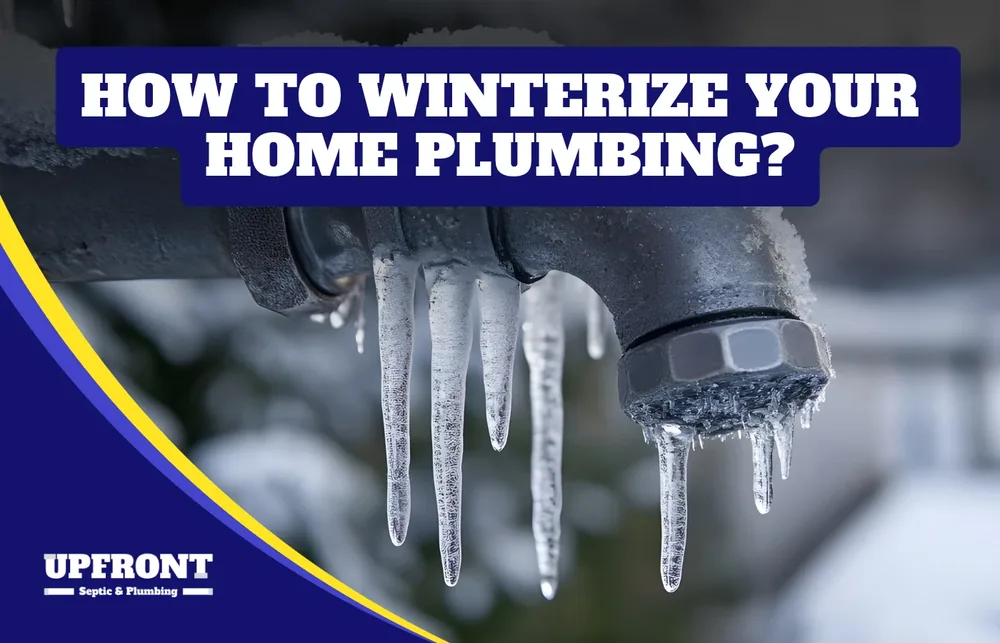
Exposed pipes are among the most common sources of winter plumbing problems. When water freezes, it expands and creates pressure inside the pipe. This pressure can cause cracks or ruptures, sometimes resulting in significant water damage after the ice melts.
Insulating vulnerable pipes is a practical way to reduce this risk. Foam pipe sleeves are widely available and can provide an additional layer of protection around exposed water lines. Make sure the insulation fits properly, particularly around joints, bends, and connections where cold air may reach the pipe.
For additional protection, consider these steps:
- Insulate pipes in unheated basements, crawl spaces, garages, and other cold areas.
- Seal gaps around exterior openings to prevent cold air from reaching plumbing.
- Keep garage doors closed when water lines run through the garage.
- Open cabinet doors beneath kitchen and bathroom sinks when temperatures drop sharply.
- Inspect insulation periodically to ensure it remains dry, secure, and undamaged.
These precautions can help prevent pipes from freezing during cold spells. If your home has repeatedly experienced frozen pipes, a professional inspection may reveal insulation problems or other areas that need attention. Upfront Septic can help homeowners understand the importance of routine maintenance and timely plumbing service.
Upgrade Insulation and Seal Cold Air Leaks
Sometimes, protecting plumbing requires improving the environment around the pipes. Insulation can slow heat loss, but it cannot fully compensate for constant exposure to freezing air. That is why sealing drafts and improving insulation throughout vulnerable parts of your home are important winter preparation tasks.
Inspect the areas where pipes enter through walls, floors, and foundations. Use suitable sealants to close small gaps, following product instructions and local building requirements. Larger openings or areas affected by moisture may require professional attention before they can be sealed safely.
If your home has older plumbing or poorly insulated exterior walls, consider whether a targeted upgrade would provide better long-term protection. Improvements may include replacing damaged insulation, adding pipe insulation, or correcting drafts around utility openings.
Keep in mind that insulation should be installed correctly and should not cover electrical components or equipment in ways that create safety concerns. If you are unsure which materials are appropriate, seek professional guidance. A carefully planned upgrade can help protect your plumbing system and improve overall household efficiency.
Shut Off Outdoor Water and Protect Your Hose Bib
Exterior plumbing is particularly exposed to cold temperatures. Garden hoses, outdoor faucets, and irrigation connections can freeze more easily than fixtures inside a heated home. Taking time to prepare these components can help prevent damage to both outdoor and indoor plumbing.
Begin by disconnecting garden hoses from each hose bib. Drain any remaining water from the hoses and store them in a sheltered location. If your outdoor faucet has a separate shutoff valve inside the home, close it when appropriate and drain the connected line according to the system's design.
A frost-free hose bib can provide additional protection because its shutoff mechanism is positioned farther inside the warmer part of the building. However, it still needs to be installed correctly, and the attached hose must be removed before freezing weather. Water trapped in a connected hose can prevent proper drainage and increase the risk of damage.
Check outdoor faucets for leaks, loose connections, and visible wear before winter begins. If a hose bib continues dripping or appears damaged, arrange a repair before temperatures fall. Upfront Septic encourages homeowners to address small exterior plumbing concerns early instead of allowing them to develop into larger problems.
Inspect Water Lines and Know When to Shut Off the Main Water Valve
Knowing how to manage your water supply is an important part of winter preparation. Locate the main water valve and make sure it is accessible. Every adult in the household should know where it is and understand how to operate it in an emergency.
If you discover a burst pipe, a serious leak, or signs of significant plumbing damage, shutting off the main water valve can help limit the amount of water entering the affected area. After turning off the supply, contact a qualified plumbing professional to assess the situation.
For seasonal properties that will remain vacant, shutting off the water may be appropriate, but the correct procedure depends on your plumbing layout and other equipment connected to the system. Simply closing the valve does not automatically drain all water lines. Pipes, fixtures, appliances, and other components may still contain water that can freeze.
If you plan to leave home for an extended period, consult a professional about the safest approach for your property. The correct preparation depends on the expected temperature, length of absence, and design of your plumbing system.
Prepare Your Water Heater for Cold Weather
Your water heater plays an important role in keeping your household comfortable during winter. Although it is usually located indoors, a unit installed in an unheated garage or another cold area may need additional attention.
Start by checking the surrounding area for drafts, moisture, and visible signs of leakage. Make sure the unit has appropriate clearance and that its ventilation requirements are met. If hot water becomes inconsistent or the heater makes unusual noises, arrange an inspection rather than assuming the problem is caused by cold weather alone.
Review the manufacturer's maintenance recommendations to determine whether the unit needs professional servicing. Depending on the model and local water conditions, maintenance may include checking connections, inspecting components, or servicing the tank according to manufacturer guidance.
Never cover vents or combustion equipment with insulation, and do not attempt unfamiliar repairs involving gas or electrical connections. If your water heater is older or struggles to meet household needs, a professional can explain whether maintenance or an upgrade makes more sense.
Upfront Septic encourages homeowners to treat water heater maintenance as part of their broader winter preparation plan, helping identify potential concerns before they interrupt daily routines.
Maintain Interior Plumbing and Keep Warm Air Circulating
Maintaining a suitable indoor temperature is one of the simplest ways to reduce the risk of frozen pipes. When temperatures drop, keep your home heated consistently, including rooms that contain plumbing. Avoid turning off the heating system entirely when leaving the property during winter.
If pipes run beneath sinks against exterior walls, opening cabinet doors can allow warmer indoor air to circulate around them. In especially cold conditions, pay attention to rooms that receive little heat or have limited airflow.
Some homeowners allow a small stream of water to flow from a vulnerable faucet during severe cold. Moving water may reduce the likelihood of freezing in certain circumstances, but it is not a substitute for proper insulation and heating. Follow local water-conservation guidance and seek professional advice if a pipe repeatedly freezes.
Also, check for early warning signs such as reduced water pressure, unusual faucet behavior, or no water coming from a fixture. These symptoms may indicate frozen pipes or another plumbing issue.
If you suspect a pipe has frozen, do not use an open flame or torch to thaw it. If it is safe to do so, increase the surrounding warmth gradually and contact a professional when the pipe is inaccessible, damaged, or still blocked. Upfront Septic recommends addressing these warning signs promptly to help limit the chance of a more serious repair.
Drain Unused Plumbing and Winterize Your Plumbing System
Water left in unused plumbing can freeze and cause damage, particularly in seasonal homes, guesthouses, and outdoor fixtures. Properly winterizing these areas may require shutting off the water supply and draining selected lines and equipment.
If you have an outdoor kitchen, irrigation system, or rarely used plumbing in an unheated building, review the manufacturer's instructions for preparing each component. Some systems require specialized draining procedures, while others may need professional winterization.
Do not assume that opening a faucet will remove all water from a pipe. Low points, bends, valves, and appliance connections can retain water even after the main supply has been shut off. Certain systems may also require approved antifreeze products, but these must be appropriate for the specific application. Never use automotive antifreeze in drinking-water plumbing.
Homes with complex plumbing layouts may benefit from a professional inspection before winter. A technician can identify vulnerable water lines, explain the appropriate drainage process, and recommend maintenance based on the property's needs.
Upfront Septic can help homeowners determine which plumbing concerns deserve attention and when professional services may be appropriate. Taking these steps before freezing weather arrives can reduce the likelihood of preventable damage.
Schedule Professional Plumbing Service Before Winter
Even careful homeowners may overlook hidden leaks, deteriorating connections, inadequate insulation, or other problems that become more serious in cold weather. A seasonal plumbing inspection can help identify these concerns before they lead to an emergency.
During an inspection, a qualified professional can evaluate accessible pipes, check vulnerable connections, assess the condition of outdoor fixtures, and discuss practical ways to protect your plumbing system. If repairs are needed, addressing them early can be more convenient than dealing with a burst pipe during a freezing night.
Homeowners should also keep essential information available, including the location of the main water valve, the contact details of a trusted plumbing service, and any relevant maintenance records. Being prepared makes it easier to respond quickly if a problem develops.
Upfront Septic believes that preventive care and informed decisions can help homeowners protect their properties throughout the year. Whether you need guidance about winter preparation or assistance identifying a plumbing concern, choosing the right service at the right time can make a meaningful difference.
Contact Us
A little preparation today can help you avoid a major plumbing headache tomorrow. From insulating exposed pipes and protecting your frost-free hose bib to maintaining your water heater and understanding your main water valve, each step contributes to a safer, more reliable home during cold weather.
Get ahead of freezing temperatures with help from Upfront Septic. Contact the company to learn more about available services and discuss the plumbing maintenance your property may need. Taking action before winter arrives can help protect your water lines, reduce the risk of costly damage, and give you greater peace of mind throughout the season.