A small change in temperature or water pressure can turn an ordinary plumbing system into an unexpected source of costly damage. Burst pipes often begin with hidden stress inside your plumbing system, and recognizing the early warning signs can help protect your home or commercial property. Whether the problem develops during freezing weather or results from aging water lines, understanding how pipes burst is the first step toward preventing emergencies and making informed repair decisions.
At Upfront Septic, we understand how disruptive plumbing problems can be for property owners. From identifying potential causes to helping customers understand the importance of timely repairs, taking the right steps can reduce water damage and protect your property's plumbing infrastructure. This guide explains why pipes burst, what warning signs to watch for, and how to respond when a pipe fails.
How Do Pipes Burst? Understanding the Basics
Pipes burst when the pressure or physical stress placed on them exceeds their ability to withstand it. Although plumbing systems are designed to transport water safely, several conditions can weaken pipe materials or increase internal pressure beyond normal operating levels.
One common cause is freezing weather. When temperatures drop, water inside a pipe can freeze and expand. This expansion creates pressure within the pipe, potentially damaging its walls or joints. However, freezing is not the only reason pipes burst. Corrosion, excessive water pressure, physical damage, and deteriorating connections can also lead to plumbing failures.
Sometimes, a burst pipe develops suddenly. In other cases, small cracks form gradually before becoming a major leak. Understanding these possibilities helps homeowners recognize risks before a plumbing emergency occurs.
Common Causes Pipes Burst in Homes and Businesses
Several conditions can put excessive stress on water pipes. Identifying these risks allows property owners to take preventive measures and arrange professional inspections when needed.
Temperature changes are particularly concerning in areas where winter weather can expose plumbing to freezing conditions. Older pipes may also become more vulnerable as their materials deteriorate over time. Meanwhile, improperly installed connections and repeated pressure fluctuations can contribute to plumbing failures.
Common factors that can cause pipes to burst include:
- Freezing temperatures: Water expands as it freezes, increasing pressure inside enclosed pipes.
- High water pressure: Excessive pressure can strain pipe walls, joints, and fittings.
- Corrosion and aging: Older metal pipes may weaken, develop holes, or become more susceptible to cracks.
- Clogs and blockages: Severe obstructions can interfere with normal flow and contribute to pressure problems in certain plumbing configurations.
- Physical damage: Construction work, accidental impacts, or shifting structures can damage buried or exposed pipes.
- Poor installation: Incorrect fittings, weak connections, or unsuitable materials may increase the likelihood of leaks.
Upfront Septic encourages property owners to address recurring plumbing concerns instead of waiting for a small issue to develop into a more expensive repair. Regular maintenance can help identify vulnerable areas before they fail.
Freezing Water and Frozen Pipes: Why Winter Creates Problems
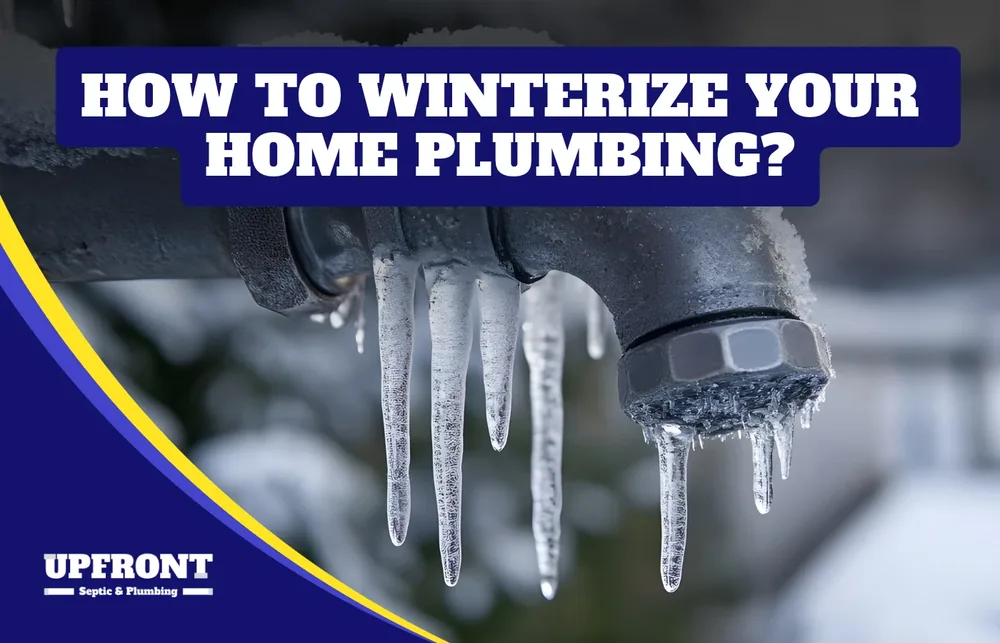
Freezing weather is one of the best-known reasons water pipes burst. When water turns into ice, it expands. If ice forms inside a confined section of pipe, pressure can build between the blockage and the remaining water. This pressure may eventually cause a crack or rupture.
Pipes located in unheated basements, crawl spaces, garages, attics, and exterior walls are particularly vulnerable. Exposed pipes near poorly insulated areas may freeze faster than plumbing protected inside heated living spaces.
An important detail is that the actual break does not always occur where the ice forms. Pressure can travel through the water trapped between the ice blockage and a closed faucet or another obstruction. A pipe may crack during freezing and begin leaking only after temperatures rise and the ice melts.
To reduce winter risks, insulate exposed pipes, seal drafts around plumbing openings, and maintain suitable indoor temperatures during cold spells. If freezing is likely, allow a small trickle of water from vulnerable faucets when appropriate for your plumbing setup. If a pipe is already frozen, avoid using open flames or other dangerous heating methods. Contact a qualified plumbing professional if you cannot safely thaw it.
Warning Signs of Burst Pipes You Should Never Ignore
A pipe does not always rupture with a loud noise or an obvious flood. Some leaks remain hidden behind walls, beneath floors, or underground until visible damage appears. Recognizing early symptoms can help limit restoration costs and prevent further problems.
Watch for unexplained changes in your plumbing system. A sudden increase in your water bill may indicate water escaping from a damaged line. Damp drywall, bubbling paint, musty odors, and unexplained wet spots can also signal hidden leaks. You might notice reduced water pressure or hear water running when all faucets and water-using appliances are turned off.
Other warning signs include visible corrosion, dripping connections, unusual pipe noises, and water stains spreading across ceilings or walls. In some cases, a frozen pipe may show little evidence of damage until it begins to thaw.
If you suspect a burst pipe, act promptly. Shut off the main water supply if it is safe to do so, keep away from electrical hazards, and contact an appropriate plumbing professional. Quick action can reduce structural damage, protect belongings, and limit the need for extensive remediation.
Leaking Pipes vs. a Burst Pipe: Knowing the Difference
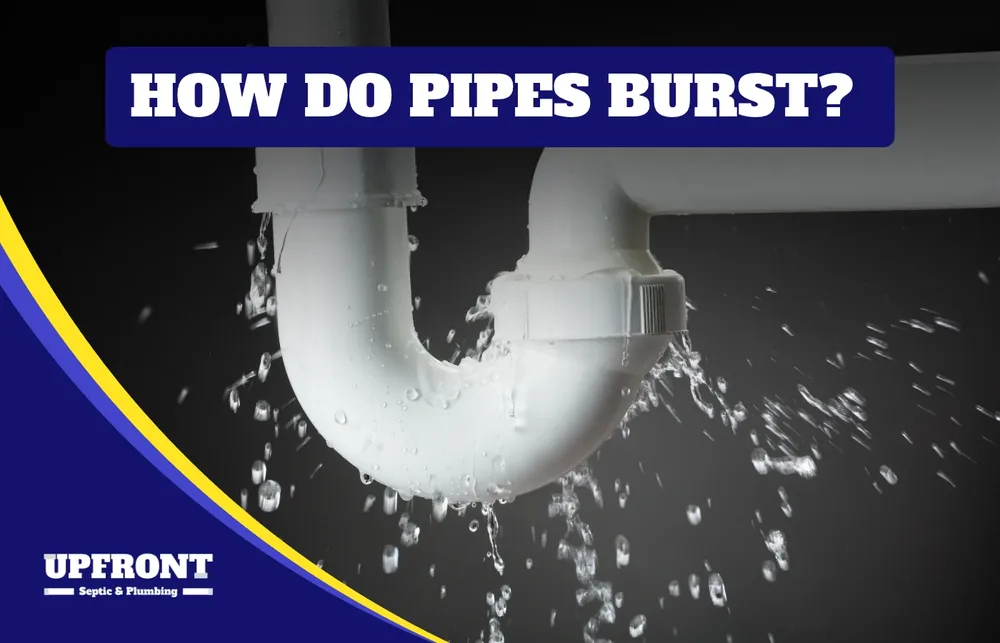
A leaking pipe and a burst pipe both allow water to escape, but the severity can vary significantly. A small leak may produce occasional drips from a fitting or a narrow crack. A burst pipe can release a much larger volume of water, potentially flooding rooms or damaging ceilings, flooring, insulation, and personal belongings.
However, a small leak should never be dismissed simply because it seems manageable. Even a slow drip can cause long-term moisture problems, encourage mold growth, and weaken nearby building materials.
The location also affects the extent of the damage. A broken water line beneath a home may remain unnoticed while water saturates the surrounding soil. A damaged pipe inside a wall can create hidden moisture that spreads before anyone sees a stain.
Upfront Septic recommends taking unexplained moisture and plumbing irregularities seriously. Although some minor leaks can be contained temporarily, the underlying cause should be identified so the appropriate repair can be completed.
How Water Pressure and Clogs Contribute to Pipe Damage
Water pressure plays an essential role in delivering water throughout a property. However, pressure that consistently exceeds the plumbing system's recommended operating range can place unnecessary strain on pipes, valves, and joints.
Pressure problems may result from a faulty pressure regulator, changes in the municipal water supply, or issues involving the plumbing system itself. Repeated pressure fluctuations can also stress vulnerable connections, especially in older installations.
Clogs require a slightly different explanation. A blockage in a drainpipe does not automatically cause a pressurized water supply pipe to burst. Drainage systems generally operate differently from pressurized supply lines. Nevertheless, severe clogs can cause water to back up, overflow fixtures, or put stress on certain components, depending on the system's design.
If you experience recurring blockages, unusual banging sounds, or sudden pressure changes, arrange an inspection. A qualified professional can evaluate the system, check for restrictions, and determine whether a pressure-regulating device or another plumbing repair is needed.
What to Do Immediately When Pipes Burst
When a pipe bursts, every minute can matter. The priority is to stop the water flow, protect people from hazards, and arrange the necessary repair. Avoid attempting complicated plumbing work if you lack the proper tools or experience.
If water is actively flooding your property, follow these practical steps:
- Shut off the water supply. Turn off the main water valve if you can reach it safely.
- Protect yourself from electrical hazards. Never walk through standing water near electrical outlets or equipment. Do not touch wet electrical panels or switches.
- Move valuables away from the affected area. Protect furniture, electronics, documents, and other belongings only when it is safe.
- Contact a qualified professional. Explain where the pipe appears to have failed, how much water is escaping, and whether the leak is ongoing.
- Document the damage. Take photographs when safe, particularly if you may need to contact your insurance provider.
- Arrange water removal and drying. Significant water damage may require professional restoration and remediation to prevent continuing moisture problems.
Upfront Septic can help you understand the importance of responding quickly and arranging appropriate services for your situation. If the damaged pipe is associated with a septic system, wastewater line, or related infrastructure, make sure the professional you contact has experience with that specific system.
Pipe Burst Repair Solutions and Professional Services
The correct repair depends on the pipe's material, location, age, and the extent of the damage. A professional will typically identify the source of the leak, assess surrounding components, and determine whether the affected section can be repaired or needs replacement.
For a small, accessible crack, replacing a damaged fitting or a short pipe section may be sufficient. More extensive damage, widespread corrosion, or repeated failures may require replacing a longer section of the water line. In some cases, improving insulation or correcting excessive water pressure is also necessary to prevent the problem from returning.
Repairs involving concealed plumbing can be more complicated because walls, ceilings, or flooring may need to be opened. After the plumbing work is completed, affected materials may require drying, restoration, or remediation, depending on the extent of the water exposure.
Property owners should also consider the broader plumbing system. A failing water heater, deteriorated connections, or an unrelated HVAC condensate line leak can create moisture problems that resemble other plumbing failures. Correctly identifying the source is essential to choosing an effective solution.
At Upfront Septic, the goal is to help customers make informed decisions about their property's water and wastewater systems. Before arranging work, clarify the type of service needed, the professional's experience with the affected system, the estimated cost, and whether additional restoration work may be necessary. Ask about any available specials or maintenance options if they apply to your situation.
How to Prevent Pipes From Bursting Again
Prevention is generally less disruptive than repairing a major pipe failure. A few consistent maintenance habits can help reduce the risk of burst pipes and extend the useful life of your plumbing system.
Start by insulating pipes in unheated areas and sealing gaps that allow cold air to reach plumbing. During extended absences in winter, keep the property at a safe temperature and arrange for someone to check the home when possible. Know where your main shutoff valve is located so you can respond quickly if a leak develops.
It is also helpful to schedule periodic inspections, address small leaks immediately, and investigate unexplained changes in water pressure. Avoid pouring inappropriate materials into drains, and deal with recurring clogs before they cause backups. If your property has older water lines, ask a qualified professional whether their condition warrants further evaluation or replacement.
Regular maintenance is valuable for commercial properties, too, where plumbing failures can interrupt business operations and affect employees or customers. A preventive approach helps identify developing concerns before they turn into emergencies.
Contact Us Today
A burst pipe can cause more than an inconvenient leak. It can disrupt daily routines, damage valuable property, and lead to expensive repairs if the underlying problem is ignored. By understanding common causes, recognizing warning signs, and responding promptly, you can reduce the impact of plumbing emergencies.
When it comes to protecting your property, early action makes all the difference. Contact Upfront Septic to discuss your septic system, water and wastewater concerns, or related service needs. Taking care of plumbing and wastewater issues before they become larger problems can help you maintain a safer, more reliable property throughout the year.