Repairing an aging underground sewer line doesn't always require digging up the entire length of the pipe. Trenchless sewer repair technology allows existing pipes to be rehabilitated from within, reducing the amount of excavation needed to complete the project.
For this project, approximately 50 feet of existing clay sewer pipe was relined, along with the replacement and reconnection of an existing sewer junction.
Trenchless Sewer Project Overview
- Location: Tacoma, WA
- Service: Trenchless Sewer Repair
- Approximate Project Cost: $13,200
- Existing Pipe Material: Clay
- Length of Pipe Relined: Approximately 50 Feet
- Repair Method: Trenchless Sewer Pipe Relining
- Additional Services: Localized excavation, sewer connection replacement, permitting and inspection
Rehabilitating an Existing Clay Sewer Line
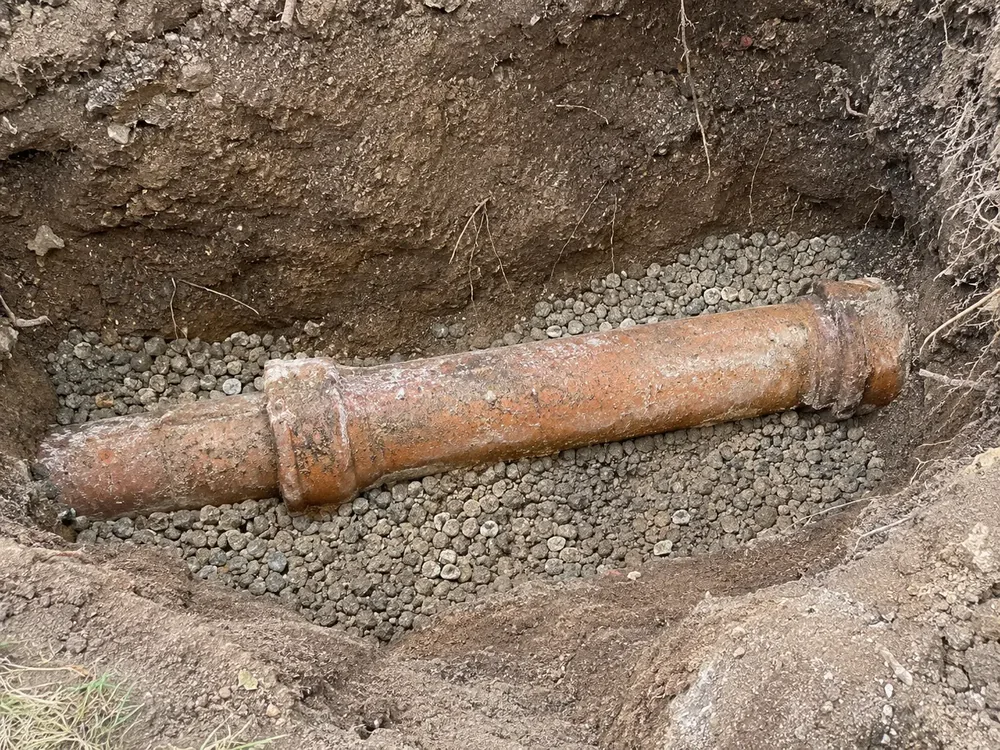
Clay sewer pipes are commonly found in older plumbing systems throughout the Pacific Northwest. Over time, these pipes can become susceptible to cracking, deteriorating joints, root intrusion and other issues that affect their functionality.
Rather than excavating the entire length of the existing sewer line, this project utilized trenchless pipe relining to rehabilitate two sections of underground clay piping.
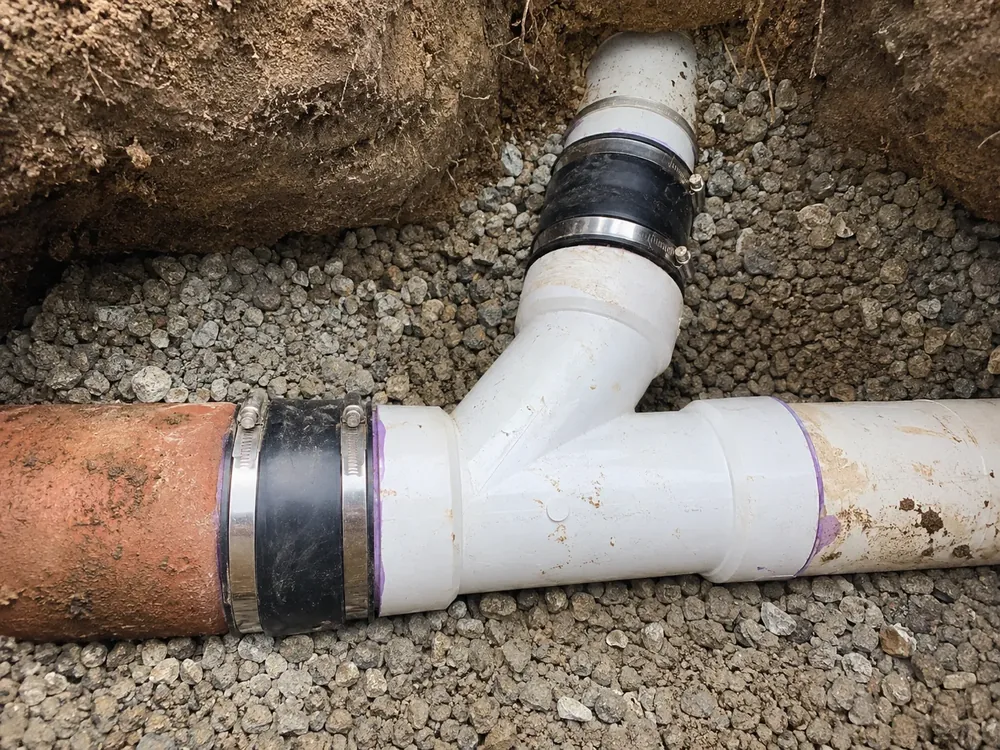
The project also required direct access to an existing Y connection where sections of the sewer system came together.
Gaining Access With Limited Excavation
Before beginning the underground work, utility locating services were contacted to identify existing underground utilities.
The crew then excavated an area approximately four feet by four feet and six feet deep to expose the existing sewer connection.
Once the pipe was accessible, the existing PVC Y connection was removed, providing access to the upstream and downstream sections of clay sewer pipe.
By limiting excavation to the connection point, the crew could access both sections of the sewer line without digging a continuous trench along the entire length of the piping.
Creating a New Pipe Within the Existing Sewer Line
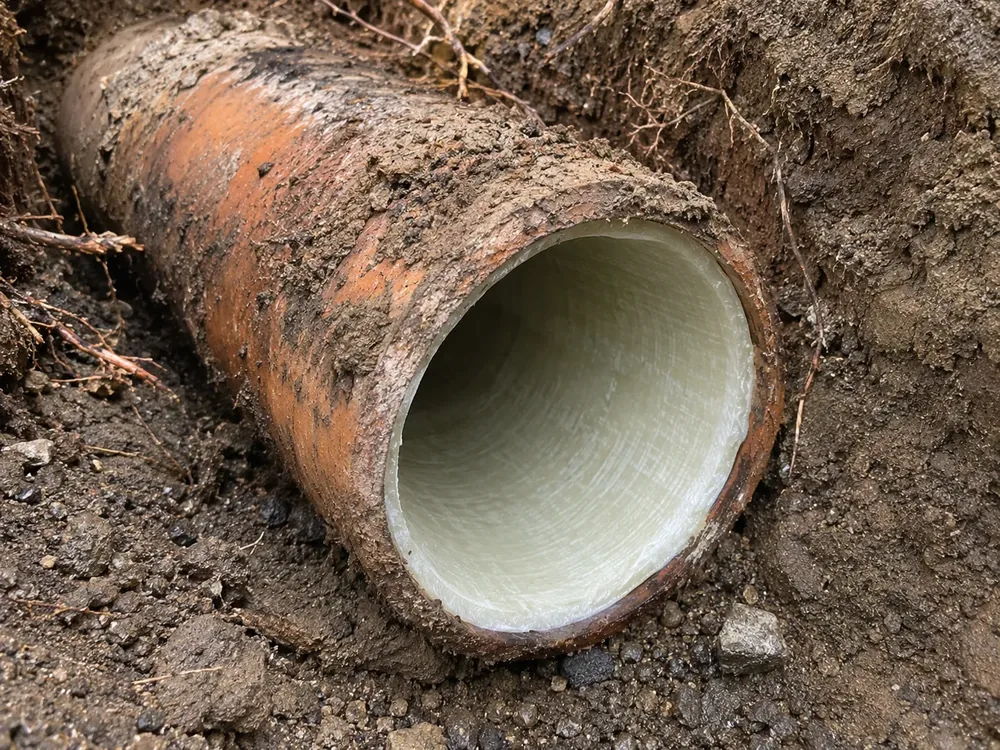
Trenchless sewer relining involves installing a liner inside an existing pipe to create a new interior pipe surface.
For this project, the crew relined two separate sections of the sewer system:
Upstream Sewer Pipe
Approximately 40 feet of existing four-inch clay sewer pipe was relined, extending toward the existing sewer cleanout.
Downstream Sewer Pipe
An additional 10 feet of existing clay sewer pipe was relined near the Y connection, including a section transitioning from four to six inches in diameter.
Together, these two sections accounted for approximately 50 feet of rehabilitated underground sewer piping.
Reconnecting the Sewer System
Following the relining work, the crew reconnected the Y junction to the existing sewer system.
The repaired pipe section was bedded with crushed gravel to provide support before the excavation was backfilled with native soil.
The project also included the required municipal permitting and inspection, followed by cleanup of the work area.
The Benefits of Trenchless Sewer Repair
This project demonstrates how trenchless technology can be combined with localized excavation to rehabilitate underground sewer pipes.
Although some excavation was necessary to access and reconnect the existing sewer junction, the relining process allowed approximately 50 feet of underground pipe to be rehabilitated without excavating its entire length.
Depending on the condition and location of the existing sewer system, trenchless repair can offer several advantages:
- Reduced excavation compared to traditional sewer replacement.
- Less disruption to surrounding landscaping and property.
- Rehabilitation of existing underground pipes.
- Reduced need for extensive surface restoration.
- The ability to address multiple sections of sewer piping.
Not every sewer line is suitable for trenchless repair. The condition of the existing pipe and accessibility of the sewer system help determine which repair method is most appropriate.
How Much Does Trenchless Sewer Repair Cost?
The approximate cost of this project was $13,200, including sewer pipe relining, localized excavation, sewer connection replacement, permitting, inspection and backfilling.
Trenchless sewer repair projects can vary considerably in price depending on the length of the pipe and the complexity of the installation.
| Type of Trenchless Sewer Service | Approximate Cost Range |
|---|---|
| Localized trenchless pipe patching | $1,500 – $3,000+ |
| Smaller sewer pipe relining projects | $2,500 – $6,000+ |
| Extensive sewer relining and connection repairs | $10,000 – $20,000+ |
Several factors can influence the overall cost of trenchless sewer repair:
- Length and diameter of the existing sewer pipe.
- Condition and material of the pipe.
- Accessibility of the sewer line.
- Excavation and connection requirements.
- Sewer cleaning and preparation requirements.
- Permitting and inspection requirements.
A professional sewer inspection can help determine whether trenchless repair is a suitable option and what the overall project may cost.
Project costs are approximate and reflect the specific scope of work completed. Pricing varies depending on materials, property conditions, accessibility and individual plumbing needs. Contact Upfront Septic & Plumbing for a personalized estimate.
Frequently Asked Questions About Trenchless Sewer Repair
What is trenchless sewer repair?
Trenchless sewer repair is a method of rehabilitating or replacing underground sewer pipes without excavating the entire length of the existing sewer line. Pipe relining is one method that creates a new pipe surface within the existing pipe.
Does trenchless sewer repair require digging?
Some trenchless sewer repair projects require limited excavation to access existing pipes or replace sewer connections. However, the amount of excavation is generally less than what would be required for traditional open-trench replacement.
Can clay sewer pipes be relined?
Yes. Clay sewer pipes may be suitable for trenchless relining, depending on their structural condition, alignment and accessibility. A sewer camera inspection can help determine whether relining is an appropriate solution.
Is trenchless sewer repair cheaper than traditional sewer replacement?
Trenchless sewer repair may reduce excavation and property restoration costs. However, the overall cost depends on the condition of the existing sewer line, repair length, accessibility and equipment requirements.
Can a collapsed sewer pipe be repaired using trenchless technology?
A completely collapsed or severely displaced pipe may not be suitable for relining. Localized excavation or conventional pipe replacement may be necessary before trenchless methods can be used.
Trenchless Sewer Repair Services in Tacoma, WA
Repairing your sewer line doesn't have to mean tearing up your property. With trenchless sewer technology, many underground plumbing issues can be addressed with minimal excavation.
Serving Tacoma and the surrounding communities, Upfront Septic & Plumbing offers everything from sewer camera inspections and hydrojetting to trenchless pipe relining and more extensive sewer repairs.
Wondering if trenchless sewer repair is right for your property? Schedule an inspection with our team to explore your options.
Project Gallery
Drain Pro Plumbing (DRAINPP797RH), including its plumbing contractor license, is in the process of being integrated into Upfront Septic & Plumbing, subject to applicable licensing requirements. All plumbing work has been and will continue to be performed by licensed plumbing contractors and certified plumbing technicians.