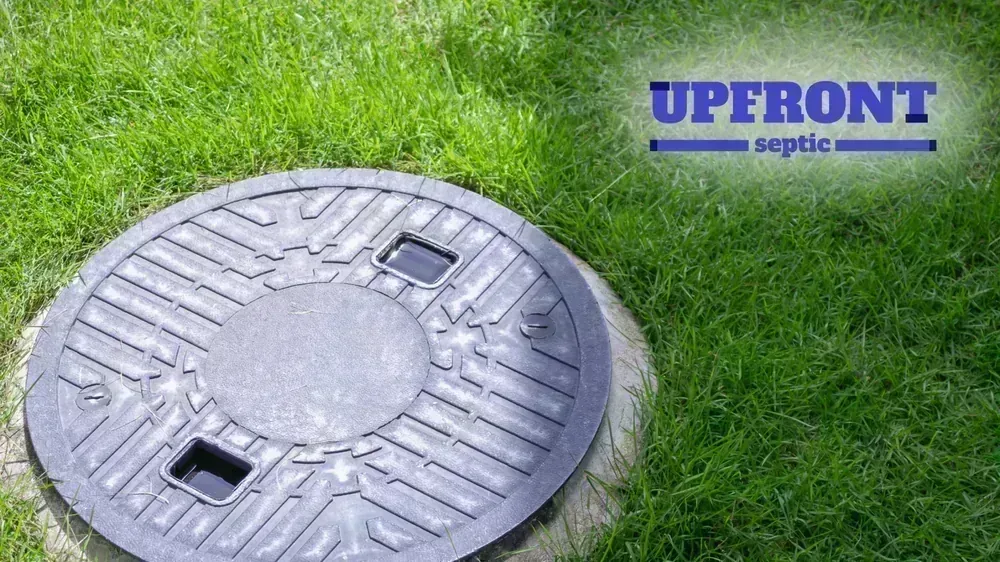
A Renton septic system installation is more than putting a tank underground. The tank, piping, distribution method, and drainfield all need to work together for the property and meet local requirements. Upfront Septic & Plumbing helps homeowners connect with trusted licensed contractor partners, understand the scope, and get transparent pricing without unnecessary confusion.
What Does a New Septic Installation Involve?
A new installation typically includes site evaluation, system design, permitting, excavation, tank placement, piping, drainfield work, inspection, and final site restoration. The exact steps depend on the property and the approved design.
Confirm the Right Wastewater Option First
Some Renton properties use private systems while others connect to municipal wastewater infrastructure. Before spending money on a new design, confirm whether an on-site system is appropriate for the property.
This matters for new construction, replacement projects, and major home additions because wastewater service can affect the entire project plan. The City of Renton directs septic-related regulation to Seattle and King County Public Health.
Site Evaluation and System Design
A designer evaluates the lot before installation begins. Soil characteristics, seasonal groundwater, setbacks, existing structures, access, and household wastewater demand can all shape the final layout.
Wet-season conditions can matter in western Washington, so some properties may need additional seasonal groundwater review before the final design is approved. A system should be designed for the actual property rather than copied from a nearby home.
Permitting and Installation
For a new on-site sewage system in King County, a site application and installation permit are required before construction begins. Once approval is in place, a certified installer works from the approved design.
During septic tank installation, accurate excavation, placement, elevations, and connections matter. The tank, lines, distribution components, and drainfield need to function together so wastewater moves through the system as intended.
Why Site-Specific Planning Matters
A straightforward lot can be very different from a wooded, sloped, tight-access, or high-groundwater property. Those conditions can affect excavation, equipment access, drainfield placement, and the type of system that can be approved.
Protect the Drainfield From Day One
The drainfield is an active treatment area, not spare yard space. Avoid parking vehicles, placing heavy structures, directing excess water, or planting deep-rooted trees over it.
Planning access also makes future cleaning, tank service, pumping, and routine maintenance easier. A hard-to-reach tank can turn simple care into a much more disruptive job.
Think About Future Home Changes
If you may add bedrooms, expand the house, or change the property’s use, bring that up early. Building changes can affect system capacity and layout, so future plans may influence what makes sense to install now.
King County requires public-health review for many remodels or expansions involving properties with on-site wastewater systems, making early planning especially important.
What Can You Expect From Upfront Septic & Plumbing?
For Renton septic system installation, Upfront Septic & Plumbing keeps the process focused on clear communication, transparent quotes, and qualified local contractor partners. The company’s own positioning emphasizes simple, transparent pricing and helping customers get back to normal life without unnecessary hassle.
Your project scope can account for the approved design, tank and drainfield requirements, access, excavation needs, and installation steps. If an older system is being replaced, the condition and location of the existing septic tank and drainfield also need to be considered.
Upfront also connects customers with septic service, inspections, repair, cleaning, and related plumbing help, making it easier to plan for long-term tank maintenance after installation.
Local Help Beyond the Installation
If you need Renton septic system installation for a new build or a failing existing system, start with the property, the design, and local approval requirements rather than a one-size-fits-all solution.
Upfront Septic & Plumbing serves communities across King and Pierce counties, including Fairwood, Kent, Maple Valley, Newcastle, Issaquah, Tacoma, and surrounding areas.
Contact Upfront Septic & Plumbing
How much does septic system installation cost?
The cost depends on the design, tank size, drainfield type, soil, excavation, access, permits, and any removal or replacement work. A property-specific quote is more reliable than a generic price range.
How long does an installation take?
Physical installation may take several days, but the full timeline can be longer because site evaluation, design, permitting, inspections, weather, and seasonal groundwater review may happen before construction.
Do I need a permit for a new septic system?
Yes. New on-site sewage systems require an approved site application and installation permit before construction begins in King County.
Can I replace only the septic tank and keep the old drainfield?
Sometimes. The existing drainfield must still be suitable, and the approved repair or replacement plan has to allow it.
What happens if my property has difficult soil or a high water table?
The design may need a different treatment or distribution approach. A qualified designer should evaluate the property before the installation plan is finalized.