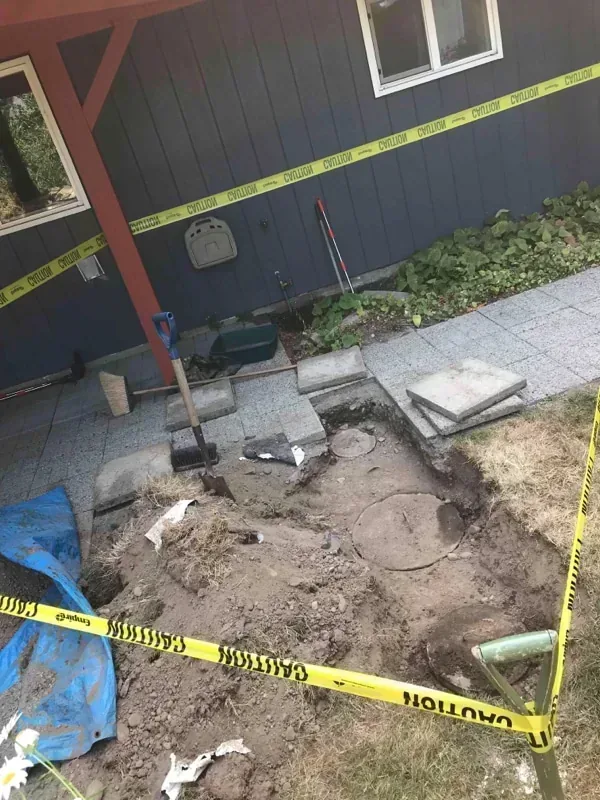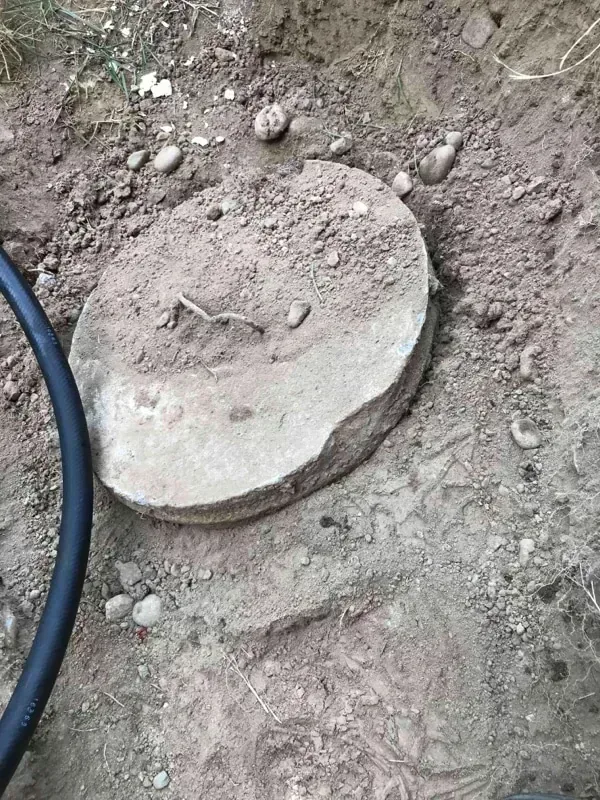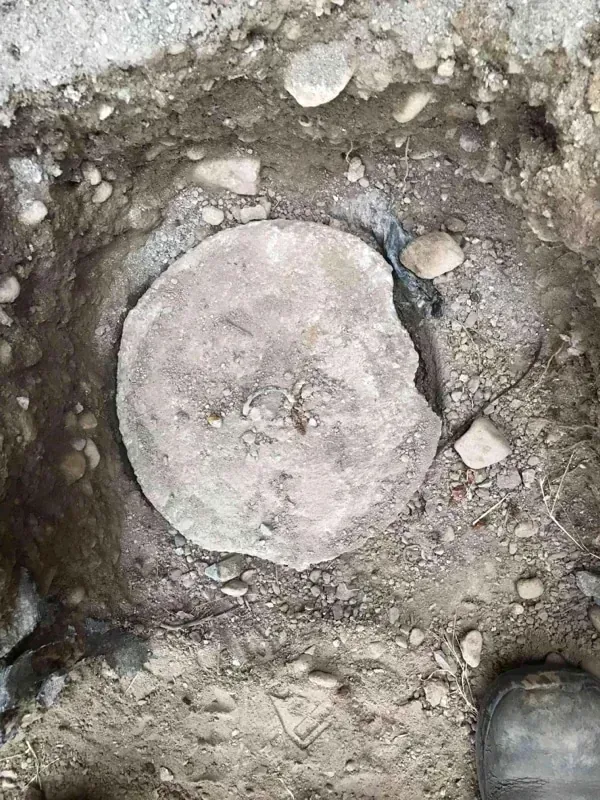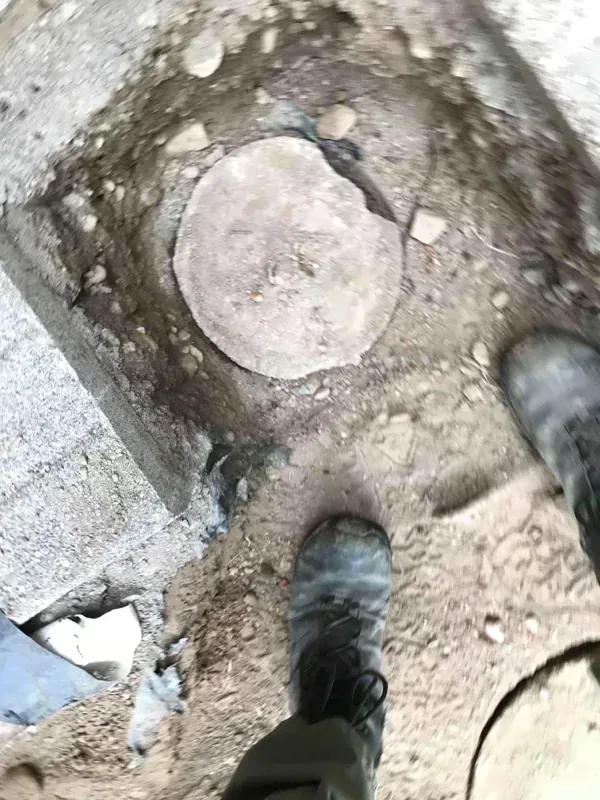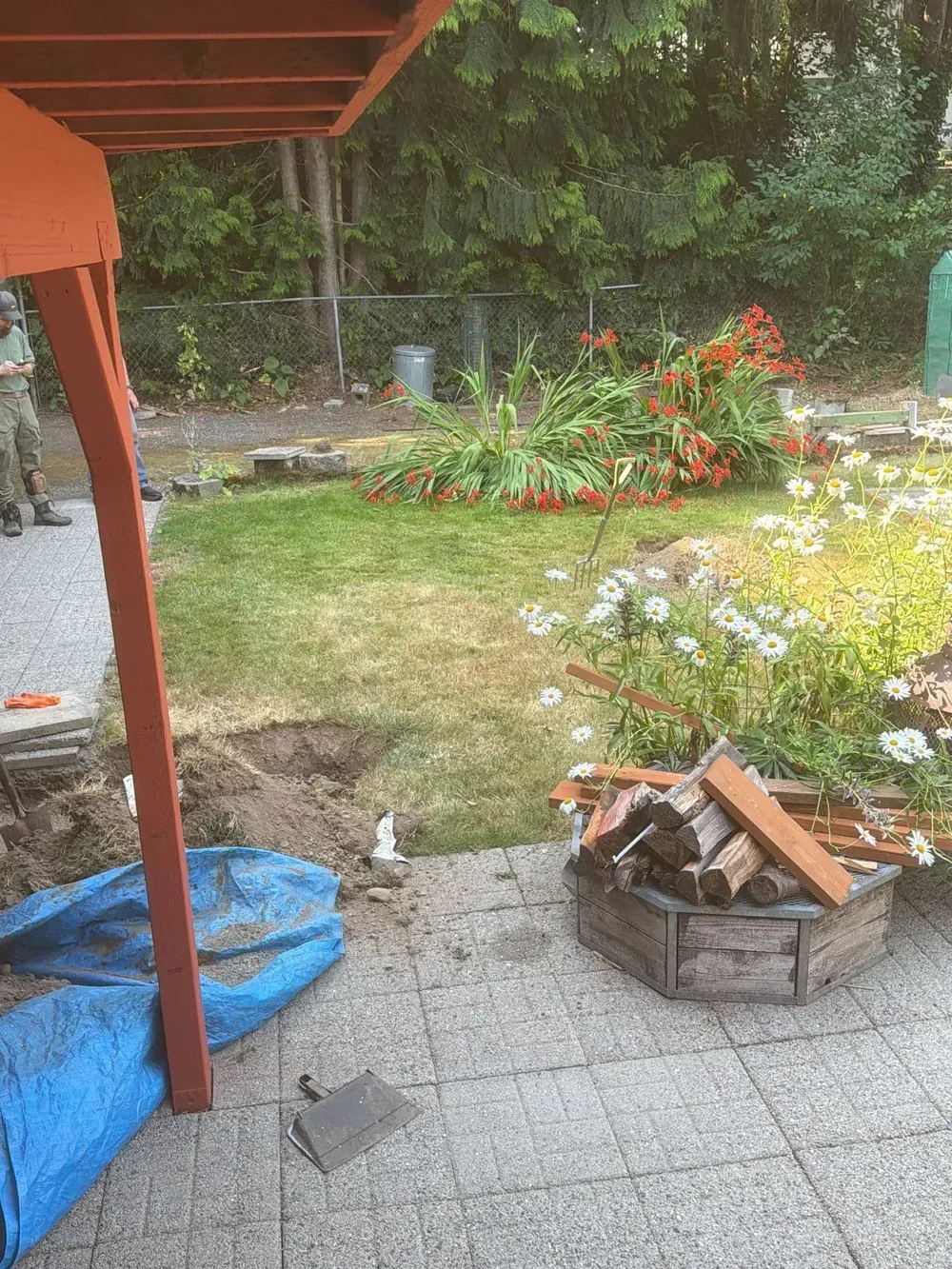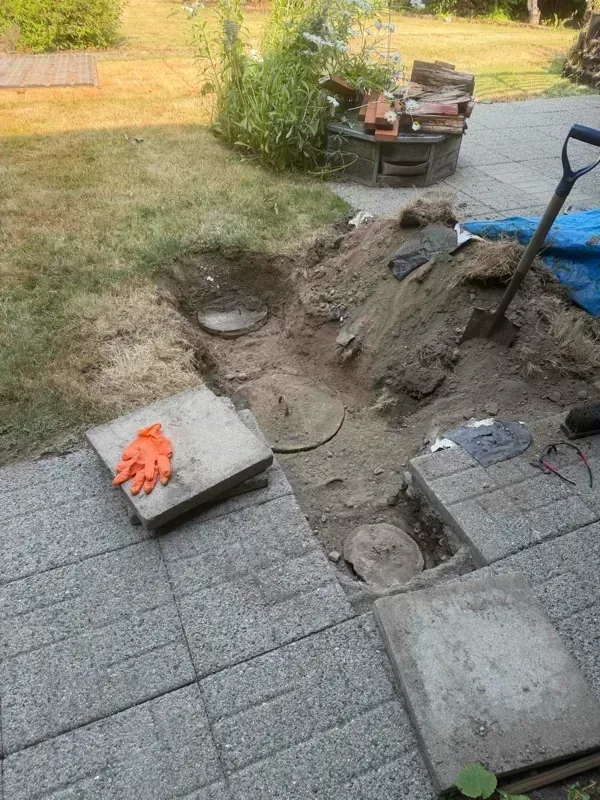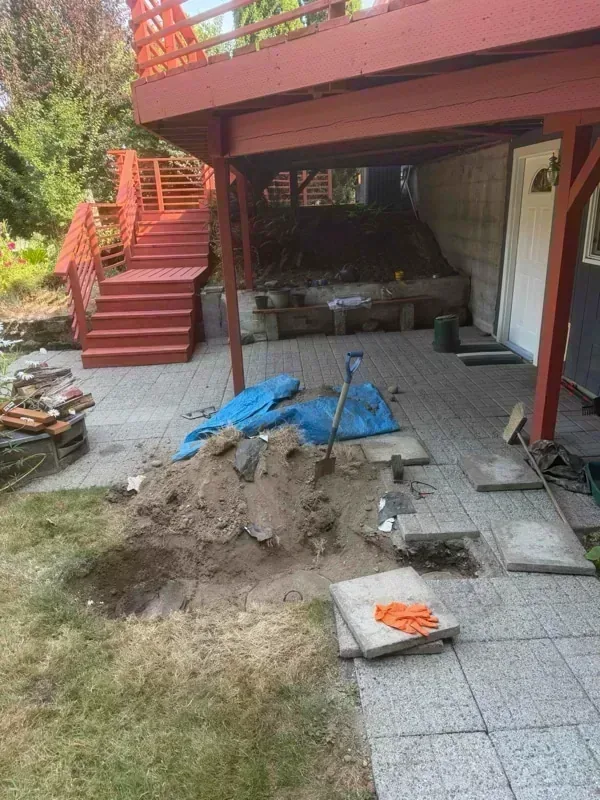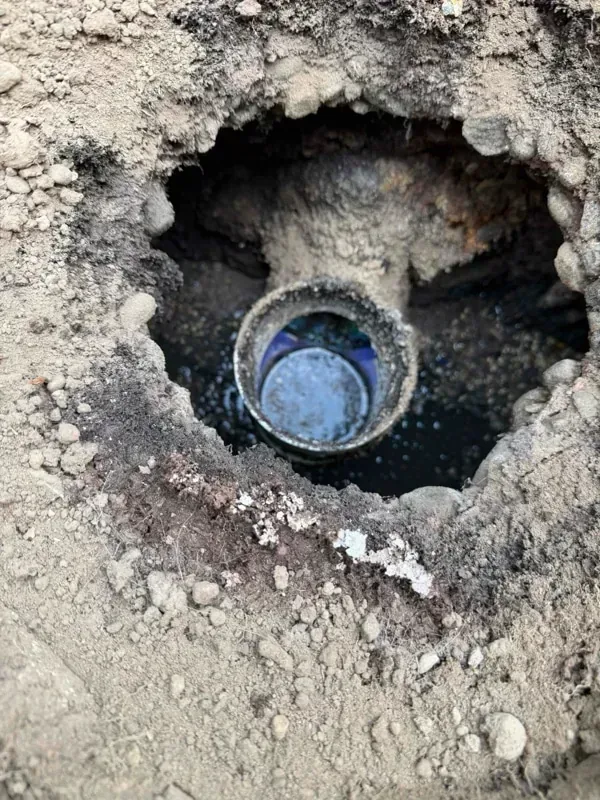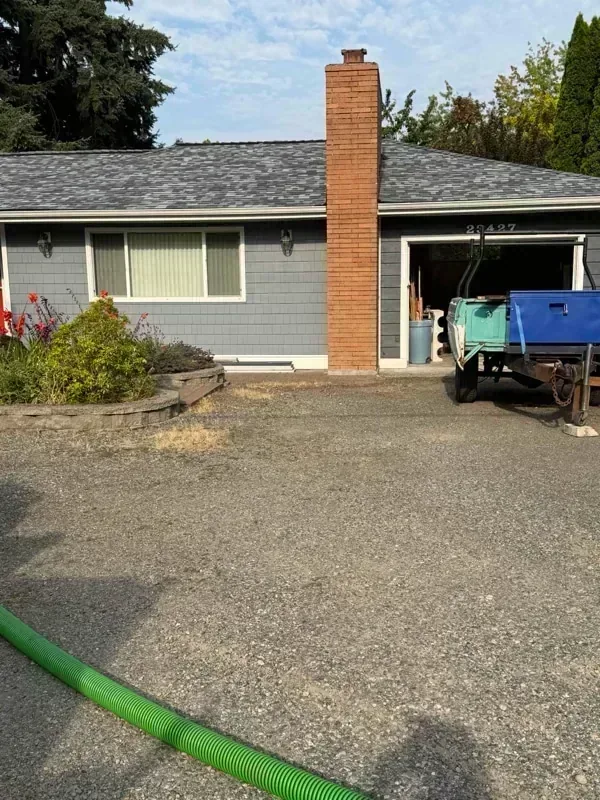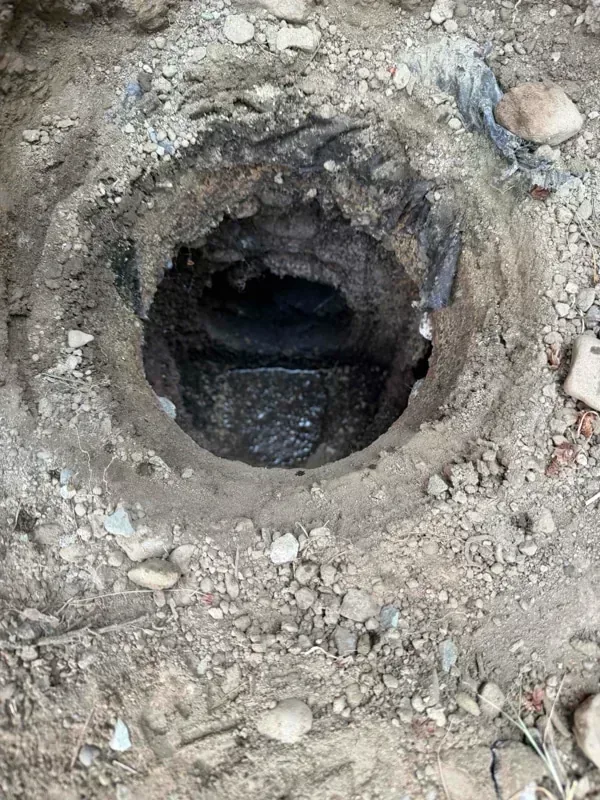
Our team recently completed a septic system inspection and excavation project for a homeowner in Kent, WA. The property had multiple buried access lids that required careful excavation to fully inspect the system and determine its overall condition.
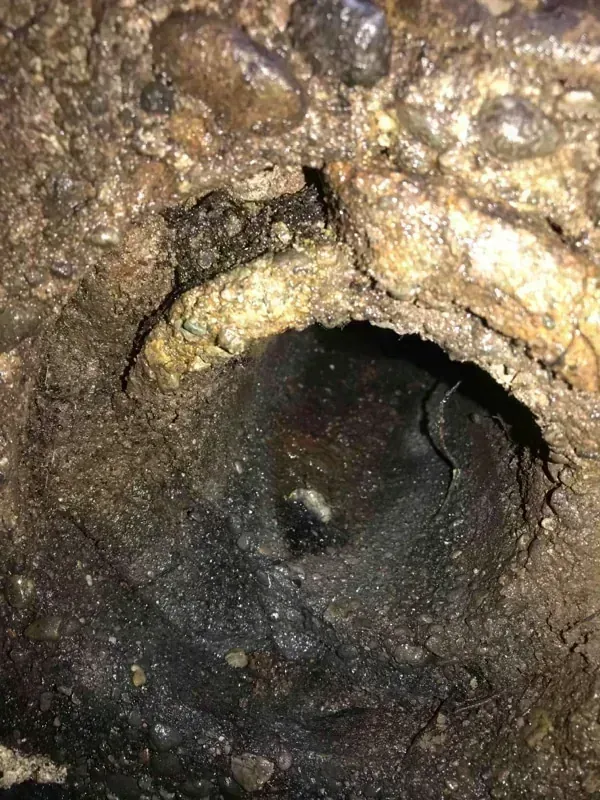
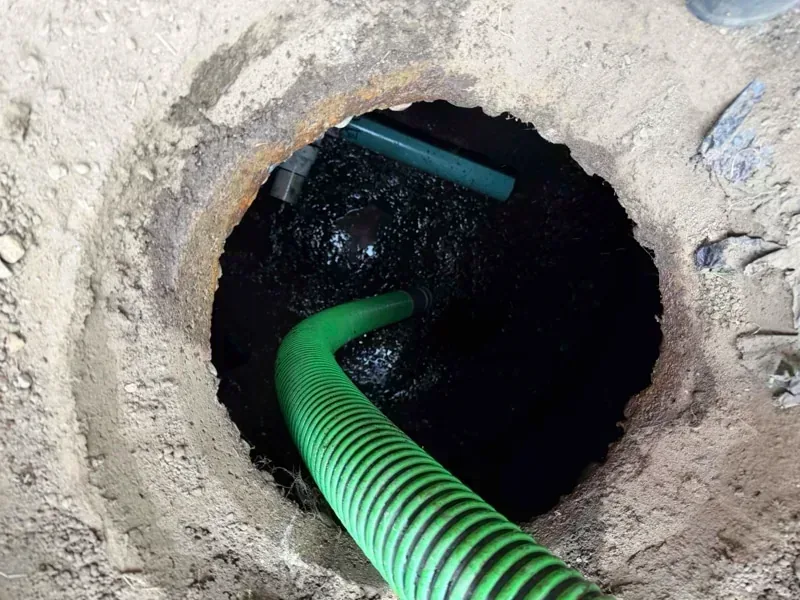
After locating and uncovering the septic tank and access points, we pumped the tank to remove accumulated wastewater and solids. Pumping the tank allowed us to safely inspect the interior components and evaluate the condition of the inlet and outlet areas. During the inspection, we also exposed additional access points and distribution components to gain a better understanding of the entire septic system layout.
The excavation process involved removing sections of the patio and carefully digging around several buried concrete lids while minimizing disruption to the surrounding landscaping. Once the lids were exposed, our technicians documented the condition of the tank, inspected the piping, and verified the accessibility of the system for future maintenance.
By the end of the project, the septic tank had been thoroughly pumped, the system had been fully exposed for inspection, and the homeowner had a much clearer picture of the condition of their septic system. Performing routine inspections and pumping before problems become emergencies is one of the best ways to extend the life of a septic system and help prevent costly backups or unexpected failures.
This Kent project is a great example of how proper excavation, inspection, and preventative maintenance work together to keep a septic system operating safely and efficiently for years to come.
Project Gallery